

"It's Okay to Ask for Help"
As drug and alcohol referrals to Powys services drop to just 32% of this time last year, Rachel is urging those struggling to seek help—despite lockdown conditions.
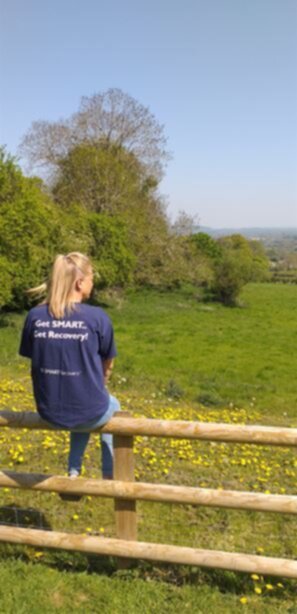
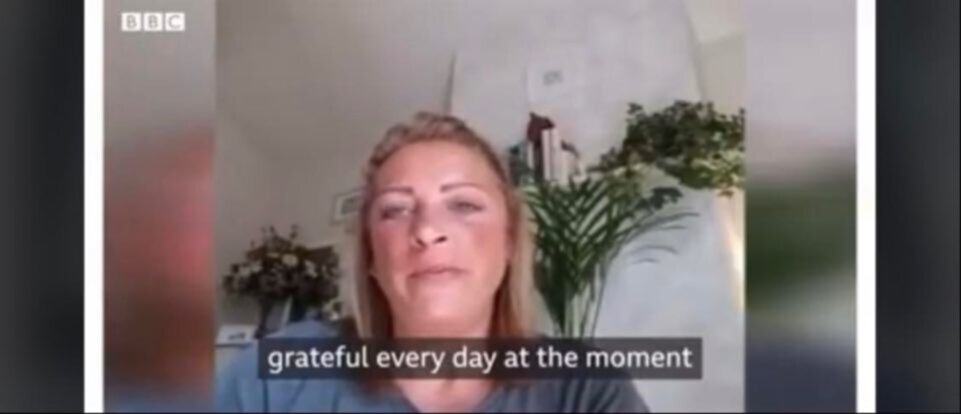
Rachel Cook, 44, has been drug and alcohol-free for a year and a half. She has volunteered at Kaleidoscope for two years, delivering recovery groups and supporting others to overcome the challenges she once faced.
Now, as she continues her own recovery in isolation, she worries for those who are even more vulnerable.

“Feeling Isolated Can Be Dangerous.”
Before entering recovery, Rachel was trapped in an abusive relationship, isolated from family, friends, and the outside world. She used drugs to cope with the pain, and now she is urging others to reach out despite the challenges of lockdown.
“If this outbreak took place when I was at my lowest, I’m not sure how I would have coped.
I’ve got my family’s full support, but for those without loved ones around them, drugs and alcohol can become a way to fight loneliness.
Over time, this can turn into a real problem. That’s why I worry about people choosing to stay stuck instead of reaching out at a time like this.”
Since government restrictions forced the closure of many non-clinical bases and recovery hubs, referrals to Kaleidoscope’s Powys services have plummeted.
Rachel knows that recovery looks different during lockdown, but she wants people to know support is still available.
“Help might look a little different during lockdown, but virtual meetings and telephone calls are still a great support.
I still attend SMART recovery meetings online—the format is the same, and I benefit from that routine and structure.
The atmosphere is different from when we’re all in a room together, but we’re keeping our spirits up, and supporting each other to prevent relapse.”
Rachel hopes that, for those seeking help for the first time, phone or video support could feel less intimidating than meeting face-to-face.

“No One Should Feel They Have to Struggle Alone.”
Barry Eveleigh, Powys Service Manager at Kaleidoscope, acknowledges the unique challenges of isolation and wants people to know that support is still available.
“Isolation poses a real challenge as the usual support services may be harder to access, but we are here.
We provide telephone and online support, ensuring that no one has to struggle alone.”
He is also glad to see Rachel making great choices for her mental health, like taking daily walks and limiting her news consumption.
“We hope our digital services feel less overwhelming, encouraging people to reach out on their own terms, with greater privacy than ever before.”

“Staying Safe in Scarcity.”
Barry is also concerned about the disruptions in drug supply caused by lockdown restrictions.
“Reduced supply and limited access could force vulnerable people to substitute their drug of choice, change their patterns of use, or even experience withdrawal.
Ironically, overdoses go up when supply goes down. People turn to unfamiliar substances, making dosing far more dangerous.
While fewer drugs on the streets might seem like a good thing, the reality is much more complex. We are watching the situation closely and are ready to help anyone in need.”#

“You Are Not Alone.”
Rachel’s message is simple: help is out there, and it’s okay to ask for it.
Whether you’re struggling with drugs, alcohol, or isolation, know that support is available—even in the toughest times.